
Cold laser therapy, also known as low-level laser therapy (LLLT), uses specific wavelengths of light to stimulate healing in damaged tissues. The light energy targets the mitochondria, the “powerhouse” of the cell, triggering an increase in the production of ATP (adenosine triphosphate). ATP is the cellular fuel required for nearly every biological process, from tissue repair to immune function. Simply put, more ATP means faster recovery.
Cold Laser Therapy
Cold Laser Therapy:Accelerating Healing at the Cellular Level
When is Cold Laser Used?
Cold laser therapy is especially effective in areas of the body that are slow to heal or require high energy output. Common conditions that benefit from laser treatment include:
- Arthritis and joint inflammation
- Disc herniations and bulges
- Meniscus injuries
- Sprained ankles
- Peripheral neuropathy (e.g., carpal tunnel, sciatica, burning or tingling in the feet)
- Radiculopathy (nerve root pain or numbness radiating into the limbs)
- Chronic soft tissue injuries or repetitive strain
By increasing cellular energy, cold laser therapy supports the body’s ability to repair tissue, reduce inflammation, and manage pain often more quickly than with other therapies alone.
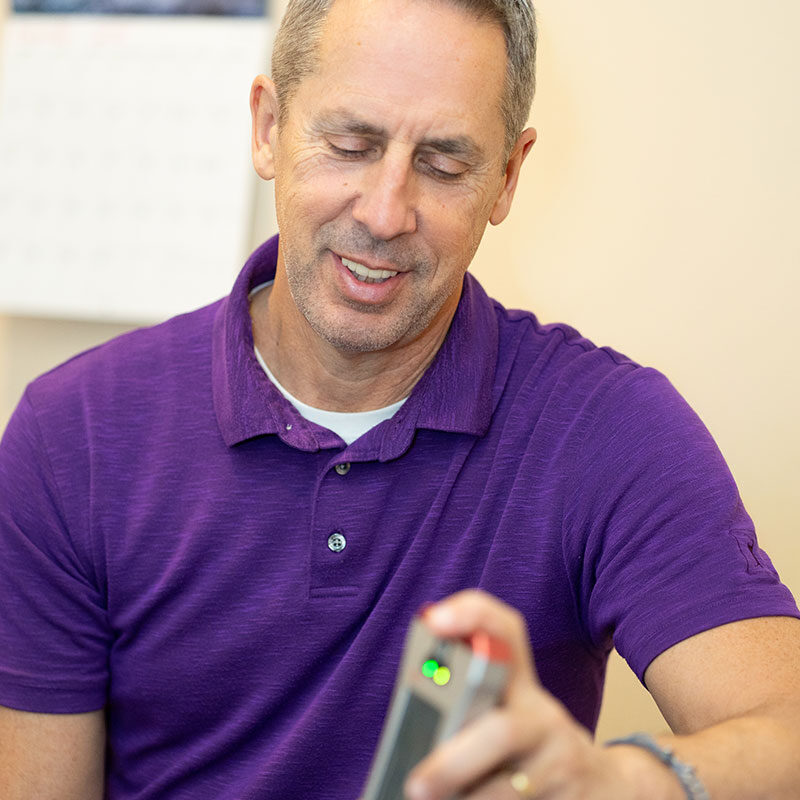
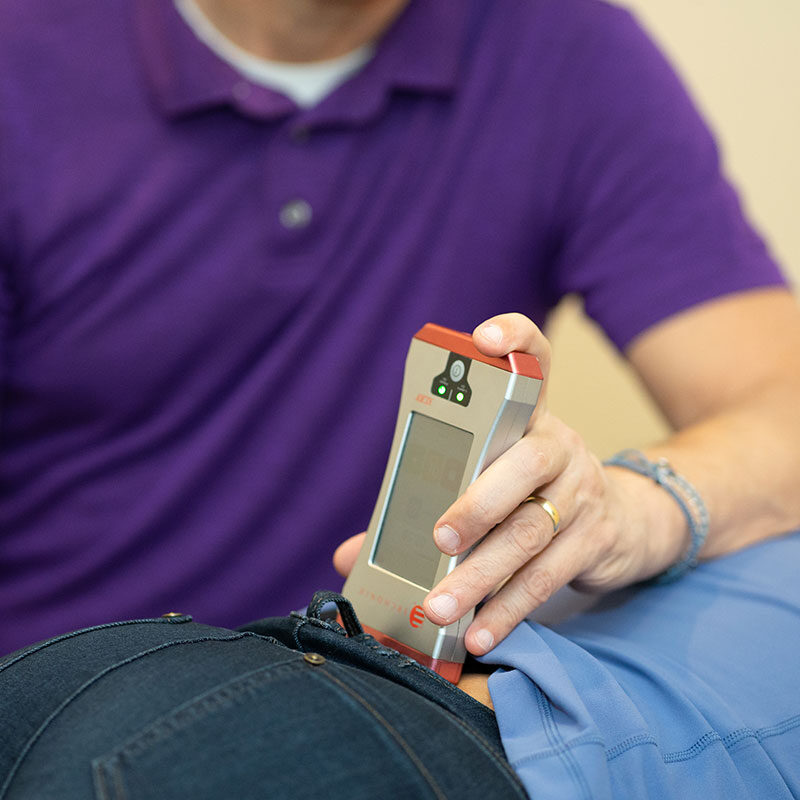
Cold laser therapy is completely non-invasive and painless. During treatment, a handheld device directs light energy into the affected area. You won’t feel heat, vibration, or discomfort – just a calming experience that promotes healing at the cellular level.
This makes cold laser especially useful in acute injuries or highly sensitive areas, where traditional hands-on therapies may be too painful or limited.
A Powerful Addition to Your Care Plan
Cold laser therapy is often used alongside chiropractic adjustments, soft tissue therapies, and spinal decompression to enhance overall results. Whether you’re dealing with a recent injury or managing a long-term condition, laser therapy can be a valuable component of your care.
