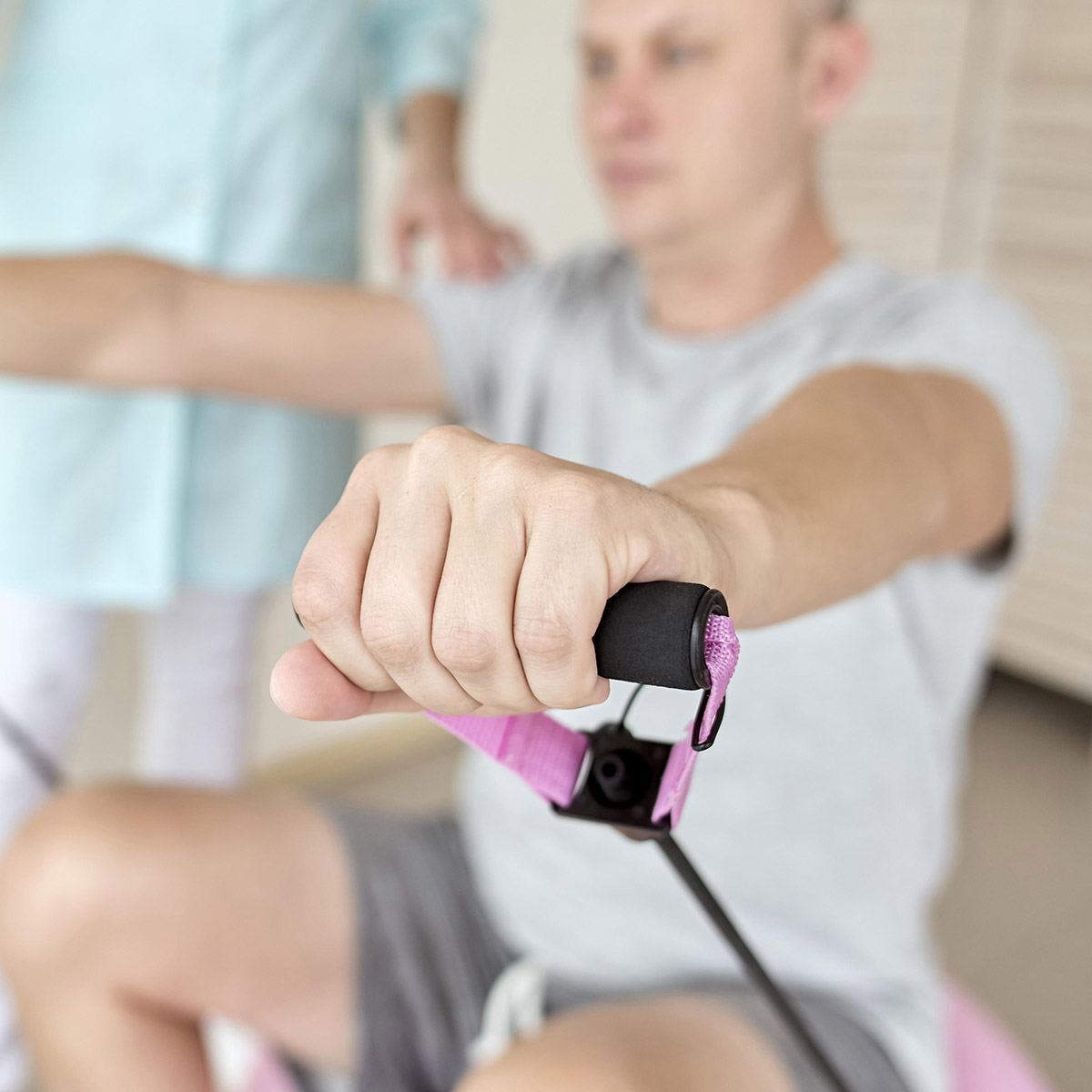
The second point is that there are proactive steps that can be taken to start treating the symptoms of an injured brain. Think of it this way. When a person gets knee surgery, they are often given the recommendation to get the knee moving again as soon as possible. This doesn’t mean that the patient is out running for many miles, but they start slowly so the recovery process can begin.
This is the same for people with traumatic brain injury. There are specific types of neurological exercises and sensory stimulation that can be utilized to “exercise” the brain and start regaining function. These exercises target the specific areas of the brain that have been damaged just like you would provide a knee with specific exercises, but instead of strengthening muscles, you’re strengthening neurological pathways.
The complexity of treatment extends into the fact that multiple brain areas are often involved. This is reason why many will experience symptoms such as difficulty focusing or concentration, balance problems, sleep/wake cycle disturbances,emotional changes, anxiety, nervousness, racing heart rate, digestive issues, visual changes, and fatigue.
Just like rehab is an important part of a musculoskeletal injury, it is just as important, if not more important, for having a healthy brain. Because the brain is dynamic and has plasticity (the ability to change and form new connections) it is possible to achieve improved function and return the enjoyment back into your life.