
Chiropractic care focuses on restoring balance and function to two vital systems in the body: the musculoskeletal system and the nervous system. These systems work closely together to support movement, coordination, and overall well-being.
Chiropractic Adjustments
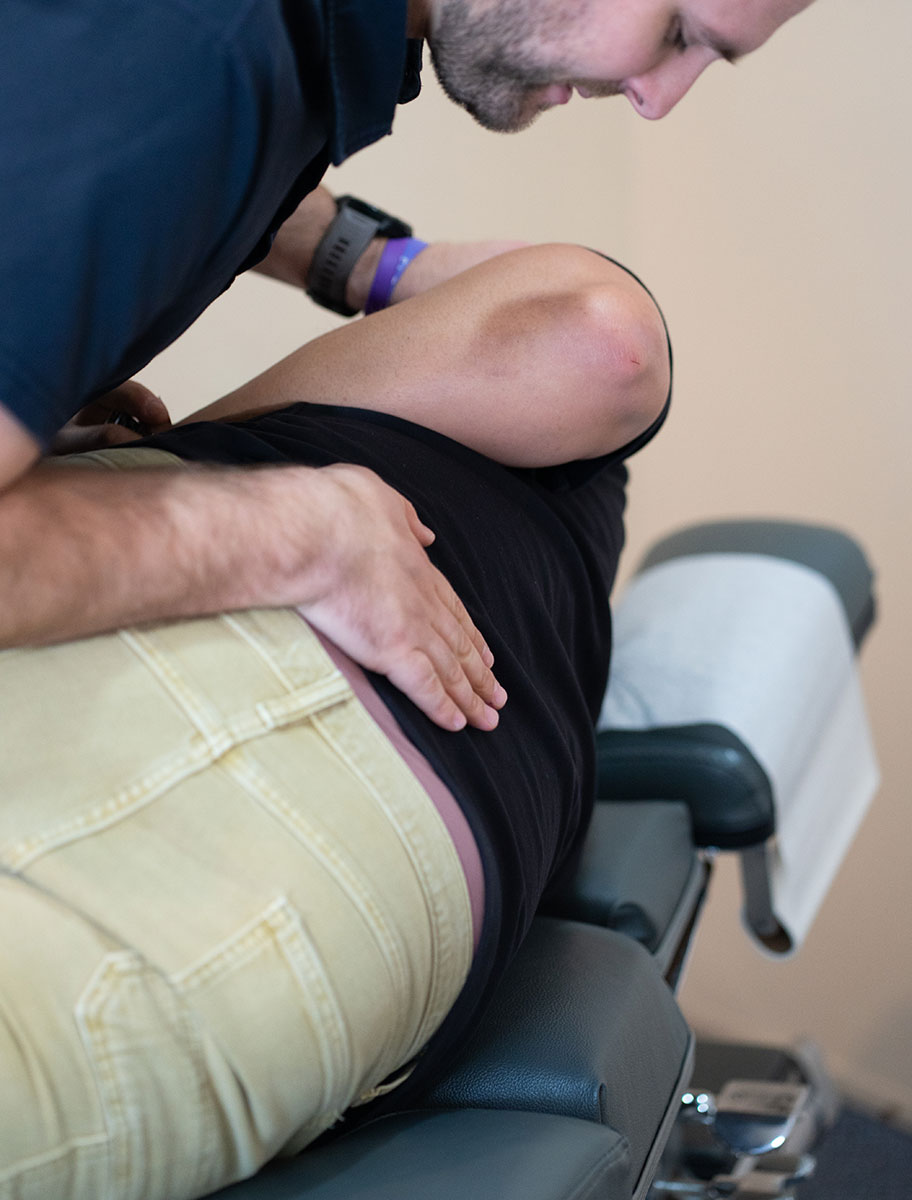
Understanding Chiropractic Care
The Musculoskeletal System: Structure and Movement
The musculoskeletal system includes bones, joints, muscles, tendons, ligaments, and fascia. It forms the body’s structural foundation and enables us to move, lift, bend, and perform daily activities. When this system is working properly, it provides stability and freedom of movement. But when injured or strained, it can lead to pain, stiffness, swelling, and dysfunction.
Injuries can result from:
- Major trauma (e.g., auto accidents, falls, disc herniation)
- Repetitive microtrauma (e.g., prolonged sitting, poor posture, repetitive motions)
Over time, these stresses can lead to scar tissue, joint restrictions, muscle tightness, and altered movement patterns.
The Nervous System: Coordination and Control
The nervous system, comprised of the brain, spinal cord, and peripheral nerves, controls every function in the body. It collects information from muscles and joints, then sends signals back to coordinate movement, maintain balance, and manage pain.
One key area, the cerebellum, is responsible for motor control and fine-tuning movements. Though it makes up only 10% of the brain’s volume, it contains more neurons than the rest of the brain combined. This shows how critical proper movement feedback is to overall function.
When injury alters how a joint moves, the brain begins to receive distorted signals. This “bad input” can lead to poor coordination, chronic pain, and compensatory movement patterns, raising the risk of future injuries. Think of how muscle memory is stored in the brain, not the body. If the brain learns incorrect patterns, performance and recovery suffer.
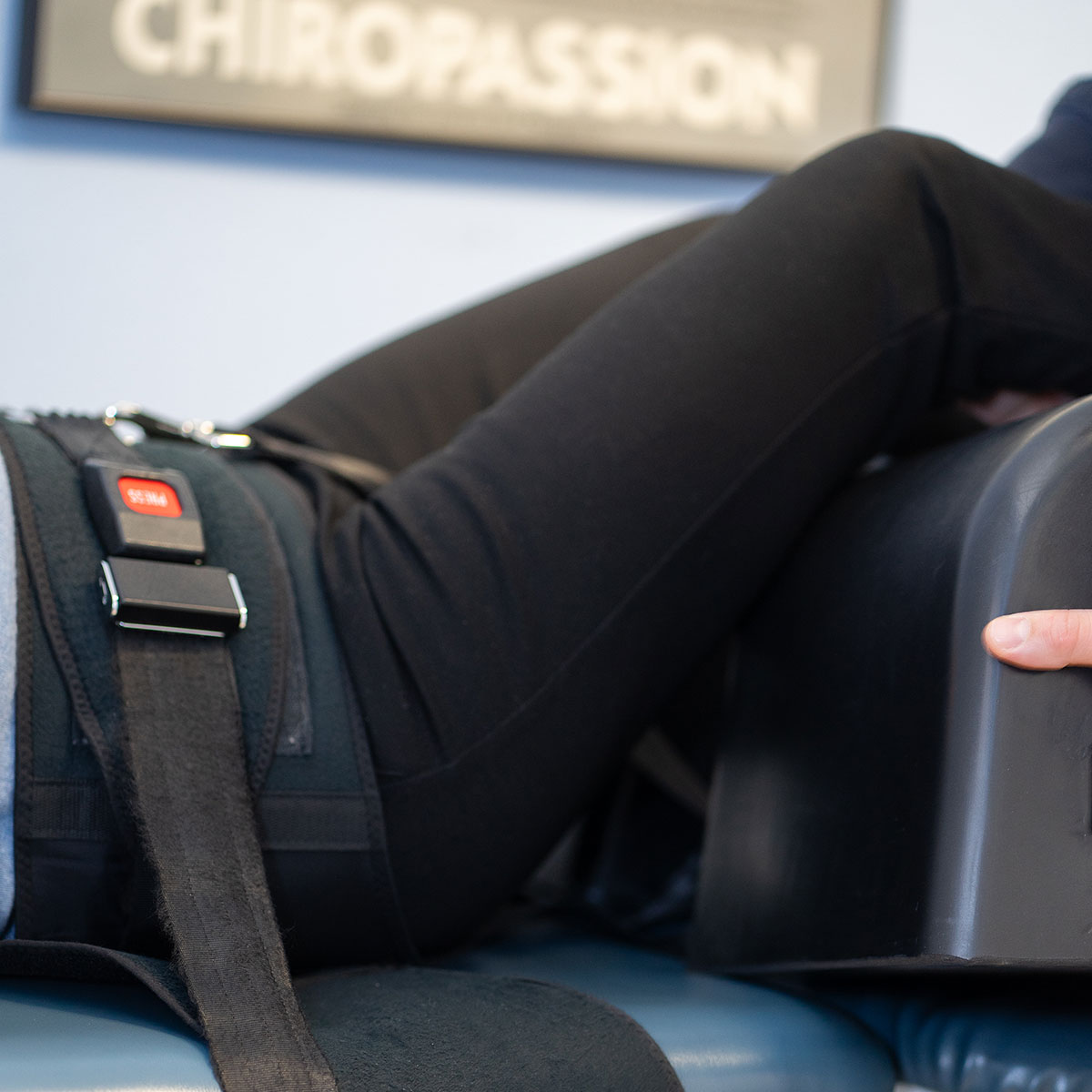
What Chiropractic Adjustments Do
A chiropractic adjustment is a specific, controlled force applied to a joint that isn’t moving correctly. These adjustments target both local and neurological dysfunctions:
Locally, they:
- Improve joint mobility
- Decrease inflammation
- Reduce muscle tension and spasm
- Alleviate pain
Neurologically, they:
- Stimulate joint and muscle receptors
- Send accurate movement feedback to the brain
- Retrain healthy movement patterns
- Help prevent long-term compensation and instability

Why It Matters
By improving both structural and neurological function, chiropractic care helps your body move more efficiently and heal more effectively. Whether you’re recovering from an injury, managing chronic pain, or simply trying to stay active and mobile, chiropractic care works to restore balance across the entire system.
Safe, Personalized, and Effective
Chiropractic care is safe, evidence-informed, and adaptable to your unique needs. Techniques can be modified based on your age, condition, and comfort level, making it a valuable treatment option for patients of all backgrounds.
Types of Adjustments We Offer
Diversified Manual Adjustments
This is the most common chiropractic technique, using hands-on, low force to restore joint movement and reduce pain.
Activator Adjustments
A gentle, instrument-assisted method using a handheld device to deliver precise adjustments, ideal for those preferring a low-force approach.
Extremity Adjustments
Chiropractic care isn’t just for the spine. We also adjust shoulders, wrists, knees, ankles, and other joints to improve mobility and reduce pain.
Schedule an Appointment
Ready to feel your best? Schedule your appointment with Bodle Chiropractic and Integrative Health in Des Moines, WA today and start your wellness journey.
